 |
Dinner in Paris, France | |
| Among the top pleasures on a visit to Paris is that daily necessity: dinner. It may provide you with some of the most memorable moments of your trip. | ||
|
|
|
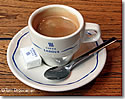
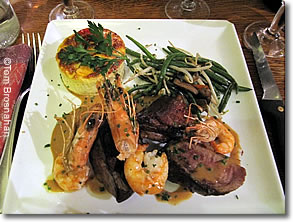
Dinner in Paris can be formal or informal, budget-priced or expensive, as you prefer. Whatever the setting—in a formal dining room fit for Louis XIV or a sidewalk café-bar—you will receive professional service, and you will not be rushed. Restaurant AreasParis has many distinct restaurant areas that make it easier to find a place to dine: choose your area, wander around looking at menus, and you'll find a place that suits your taste and your budget. More... EtiquetteTo get the most pleasure from your dinner, you should be familiar with, and observe, the traditional French dining courtesies. More... Hours & ReservationsThe customary French dinner hour is 20:00 or 20:30 (8:00 to 8:30 pm), though many restaurants open for dinner by 19:00 (7:00 pm), and are happy to serve you. Some restaurants, usually the lower-priced ones, offer service non-stop—open all day and into the evening. 22:00 (10:00 pm) is not too late for dinner; the restaurant may remain open until 23:00 (11:00 pm), midnight, or even later. Reservations may be necessary for new and trendy, particularly popular, or famous restaurants, or in the more expensive places, but one of the pleasures of dining in Paris is to wander through a restaurant area, peruse menus, glance at what others have ordered, and find a vacant table. The Dinner CeremonyYou will be welcomed to the restaurant by the maître d'hôtel or a waiter and shown to your table. You may start your dinner with an apéritif, a drink before dinner, which may be a cocktail, glass of wine or champagne, whatever you wish. This is the time to peruse la carte, the list of dishes, or le menu, the set-price meal of two to four courses offered at some restaurants. You may order a glass or bottle of wine, or of mineral water (Perrier is our favorite, but there are others), or even un carafe d'eau, a pitcher of plain tap water. In more expensive restaurants, you may be served an amuse-gueule (also called an amuse-bouche), a special tidbit to "amuse" your tastebuds before you begin dinner itself. Dinner's first course, called an appetizer in some countries, is the entrée, which may be soup, a salad, or any of a hundred other dishes. Your main course (plat principal, or simply plat) may be based on meat, fowl, seafood, or vegetables. In more expensive restaurants it will have an artful and attractive présentation (design on the plate). The classic French dinner continues with fromage (a cheese course), fruits, dessert, and café. (Coffee is subject to special rules. More...) The most elaborate dinners may continue with yet one more event: the pousse-café (coffee-pusher) or digestif ("digestive aid"), a post-prandial liqueur or spirit such as cognac or armagnac. Paying the BillWhen you are ready to leave the table, ask your waiter for l'addition (the bill, or check). It will not be brought until you ask for it. According to law, tax and service charge are included in all prices, so they will not be added to the total for your meal. The price you see on la carte or le menu is all you will pay. The amount of tax and service included in each price may be calculated and shown on your bill for your information. As service is included in all prices, it is not necessary to leave any tip/gratuity at all. The profession of restaurant waiter is respected and honorable in France, and waiters are properly compensated with wages and benefits. It's polite for the waiter or maitre d'hôtel to bid you goodnight as you leave, and for you to respond with Bonsoir, monsieur (or Bonsoir, madame, as appropriate).
|
|
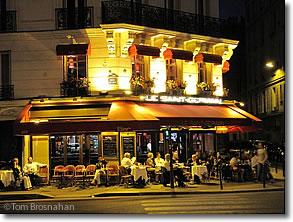
Above, Restaurant Le
Saint-Germain,
|